
Word workflow

how to transcribe audio to text in word without rebuilding your workflow

If you need to know how to transcribe audio to text in word, start with a clean transcript draft and move it into the document structure you already use. Audio To Text helps you turn a recording into editable copy that is easier to review, format, and share.

Review before publishing
Audio transcription workflow ready for Word

Existing pipeline

The audience's existing pipeline

Most Word users already have a reliable place for drafting, reviewing, and distributing documents. The useful change is adding transcription before those familiar steps, not replacing them.

Interviewers

Record an interview, create a readable first draft, then use how do i convert audio to text on my iphone when the source recording is captured on mobile.

Spend more time checking quotes and less time replaying every sentence by hand.

how do i convert audio to text on my iphone

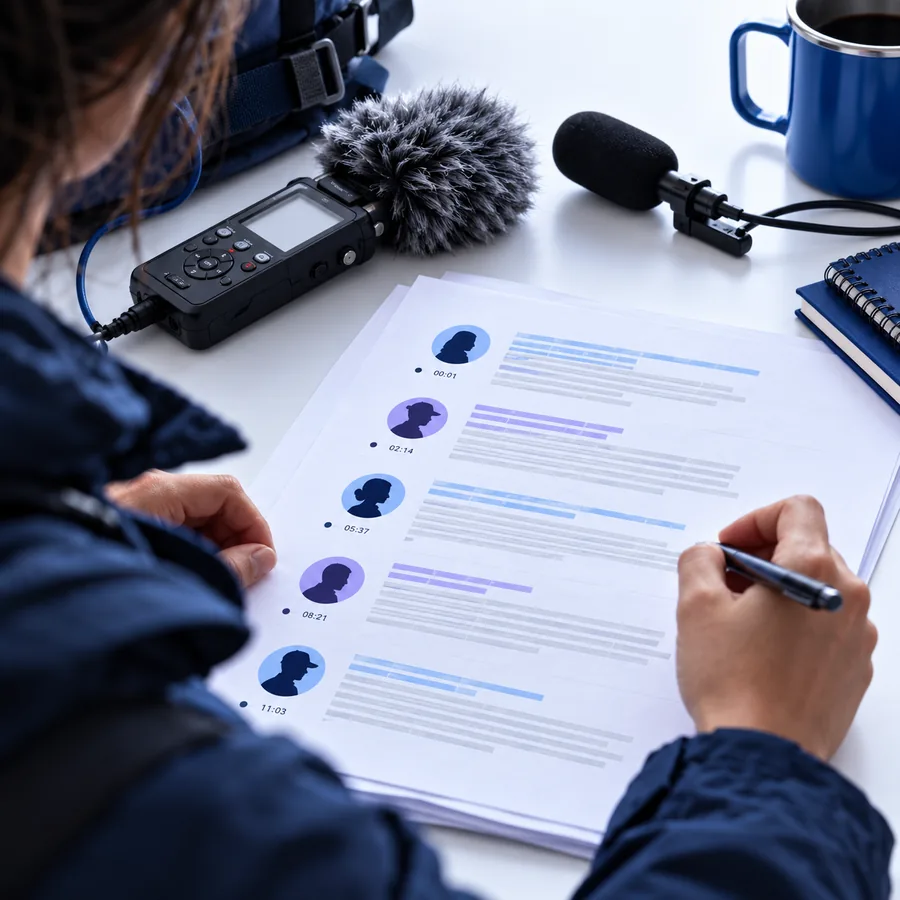
Researchers

Bring field recordings into a document, separate speakers where possible, and keep important wording available for later coding.

Move from raw audio to searchable research notes without changing the rest of the Word-based process.

instagram audio to text

Content teams

Turn a conversation or voice memo into a structured draft before editors add headings, links, and brand language.

Give editors a workable source document instead of an audio file and a blank page.

how do i convert audio to text on my iphone
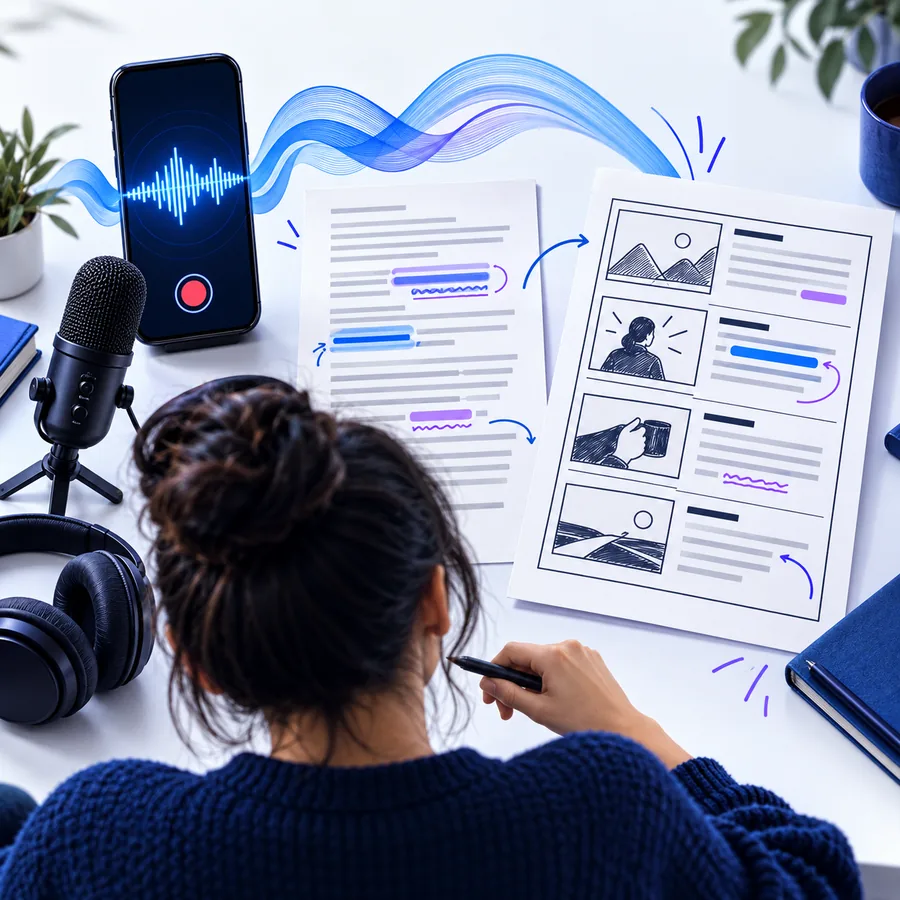
Students and educators

Convert a lecture, discussion, or spoken reflection into notes that can be reviewed and reorganized in Word.

Create a text-based study record while keeping the original recording available for verification.

instagram audio to text

Workflow fit

Where we slot in

The comparison is not about abandoning Word. It is about deciding which part of the process should handle spoken language and which part should handle document production.

Audio To Text first
Word first

Starting material

Audio To Text first

Audio recording or voice memo

Word first

Blank or manually drafted document

First conversion

Audio To Text first

Recording becomes an editable transcript

Word first

Speech is replayed while text is typed

Document structure

Audio To Text first

Added after the transcript draft

Word first

Built while listening and typing

Searchability

Audio To Text first

Text can be searched before editing

Word first

Search begins only after manual typing

Review focus

Audio To Text first

Check names, wording, and speaker changes

Word first

Check transcription and formatting at the same time

Best use

Audio To Text first

Interviews, meetings, lectures, and voice notes

Word first

Short clips where manual typing is already practical

Word handoff

Audio To Text first

Paste or import the reviewed text into Word

Word first

The working document is created from the beginning

Three-step handoff

Before and after

A dependable Word workflow keeps the recording, transcript, and finished document distinct. That separation makes corrections easier and preserves a source for checking uncertain passages.

  1. 1

    Bring in the recording

    Choose the audio you need to work with and describe the desired transcript, such as speaker labels, paragraphs, timestamps, or a short summary.

  2. 2

    Review the text draft

    Read the transcript against the recording. Correct names, technical terms, punctuation, and any passages where the speaker or wording is uncertain.

  3. 3

    Shape the Word document

    Move the reviewed text into Word, then apply headings, styles, citations, tables, comments, and the document conventions your audience expects.

Deliverable spec

The deliverable spec

These example outputs show how the same source recording can become different Word-ready drafts. The prompt is the instruction to adapt for your own file.

prompts.log
  1. 1
    Transcribe this interview with speaker labels, readable paragraphs, and [inaudible] markers where the recording is unclear.
    Interview transcript Speaker labels · review-ready
  2. 2
    Turn this meeting recording into a transcript followed by decisions, action items, owners, and unresolved questions.
    Meeting notes Transcript plus action list
  3. 3
    Transcribe this lecture, preserve key terminology, and organize the result into sections with a concise study summary.
    Lecture draft Sections · terminology preserved
Speaker-labeled interview transcript 1 Interview
Structured meeting notes from audio 2 Meeting
Lecture transcript with organized sections 3 Lecture

Keep the source type, audience, formatting needs, and review rules in the prompt, then refine the result in Word.

A quote-friendly Word draft

Ask for speaker labels, paragraph breaks, and uncertainty markers so the first document is easy to verify. After review, add quotes, headings, and the surrounding editorial context in Word.

Separate interviewer and guest turns
Preserve names and specialist terms
Flag unclear audio instead of guessing

A transcript with decisions attached

A meeting recording can become more useful when the transcript is paired with decisions, owners, deadlines, and open questions. Keep the transcript as the source and the summary as the working layer.

Identify decisions in plain language
Group action items by owner
Keep unresolved points visible

A study document built from speech

For lectures and presentations, request readable paragraphs and section breaks before moving the draft into Word. Then add headings, references, highlights, and notes for the intended reader.

Preserve important terminology
Separate examples from main explanations
Add a concise review summary

Turn your recording into a Word-ready draft

Start with the audio, describe the document you need, and use the resulting text as a reviewable first draft. Your existing Word process can handle the final formatting and publishing steps.

Convert my audio
  • Keep the recording available for verification
  • Ask for the structure your document needs
  • Review names, terminology, and unclear passages

Scenario FAQ

Scenario FAQ

Answers to common questions about moving spoken audio into a Word-based document workflow.

Start by converting the recording into an editable transcript, then review the text and move it into Word for formatting. Add headings, speaker names, comments, citations, or summaries after the wording has been checked against the audio.

Yes. A transcript can serve as the working text for a Word document once it has been reviewed. You can then apply Word styles, reorganize sections, add notes, and prepare the final version for sharing.

State what the recording contains and how you want the result organized. Useful instructions include speaker labels, paragraph breaks, timestamps, uncertainty markers, a summary, action items, or preserved technical terms.

Accuracy depends on recording quality, background noise, overlapping speakers, accents, and specialist vocabulary. Always compare important names, quotations, figures, and unclear passages with the original recording before publishing.

Yes. Ask for the transcript and the structure you need, such as decisions and action items for a meeting or sections and a study summary for a lecture. Treat the structured result as a draft to review in Word, not as a substitute for checking the source audio.

Start converting
Start converting